A comprehensive sealing of reservoir joints and cracks that achieved a landmark reduction in water loss, bringing measured seepage from 7 inches down to just 1/4 inch and stabilizing the secondary water storage system for Davis and Weber Counties.
Project Scope
Concrete Reservoir Joint Sealing
Primary Issue
Chronic Joint Leakage and Underdrain Flow
System Used
High-Flex AquaLastic® Barrier
Environmental Factor
High Hydrostatic Pressure
Result
96% Reduction in Measured Underdrain Flow
Aqualastic was our last attempt to seal the reservoir without completely replacing the concrete liner. Aqualastic worked by cleaning and sealing the joints. Our measured underdrain flows have gone from
7 inches down to ¼ inch of flow over a measuring...
Richard D. Smith, P.E., General Manager Davis & Weber Counties Canal Company
Aqualastic was our last attempt to seal the reservoir without completely replacing the concrete liner. Aqualastic worked by cleaning and sealing the joints. Our measured underdrain flows have gone from
7 inches down to ¼ inch of flow over a measuring...
Richard D. Smith, P.E., General Manager Davis & Weber Counties Canal Company
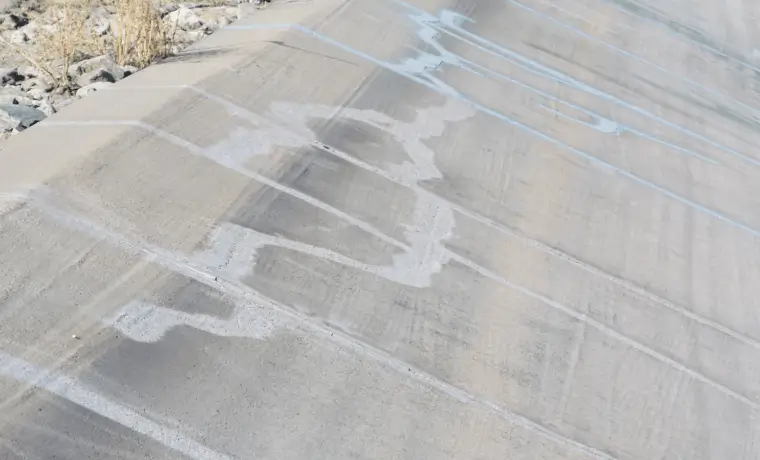
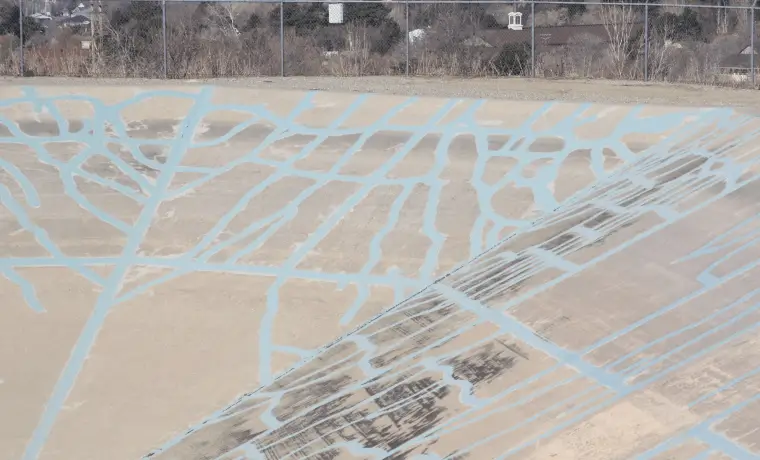
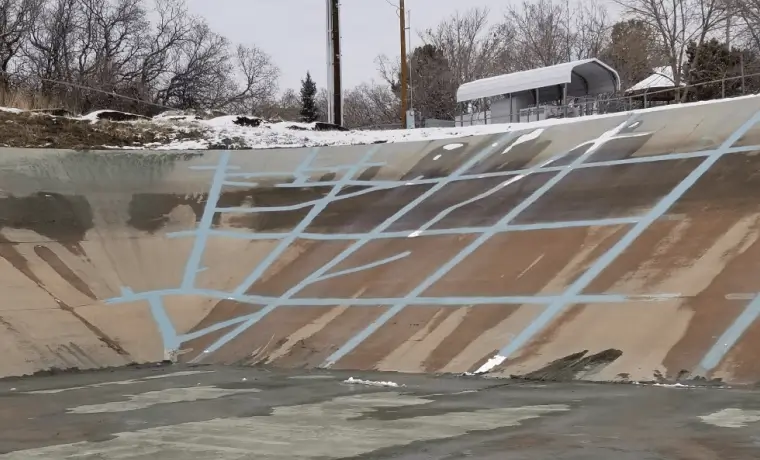
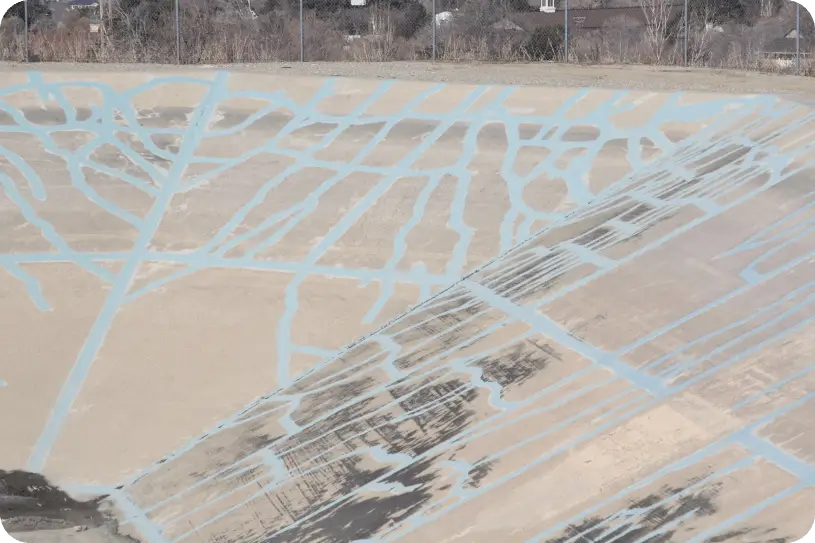
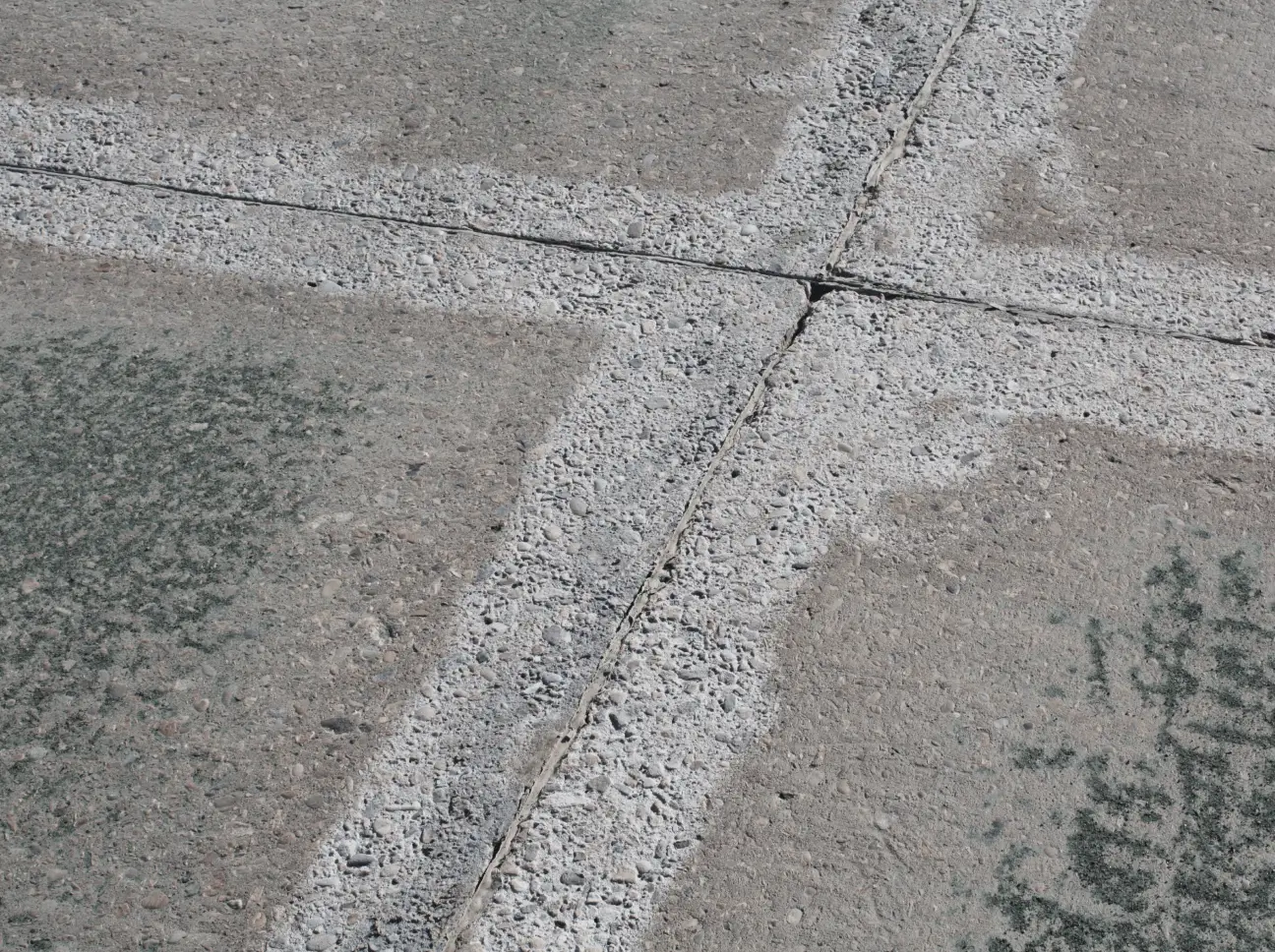
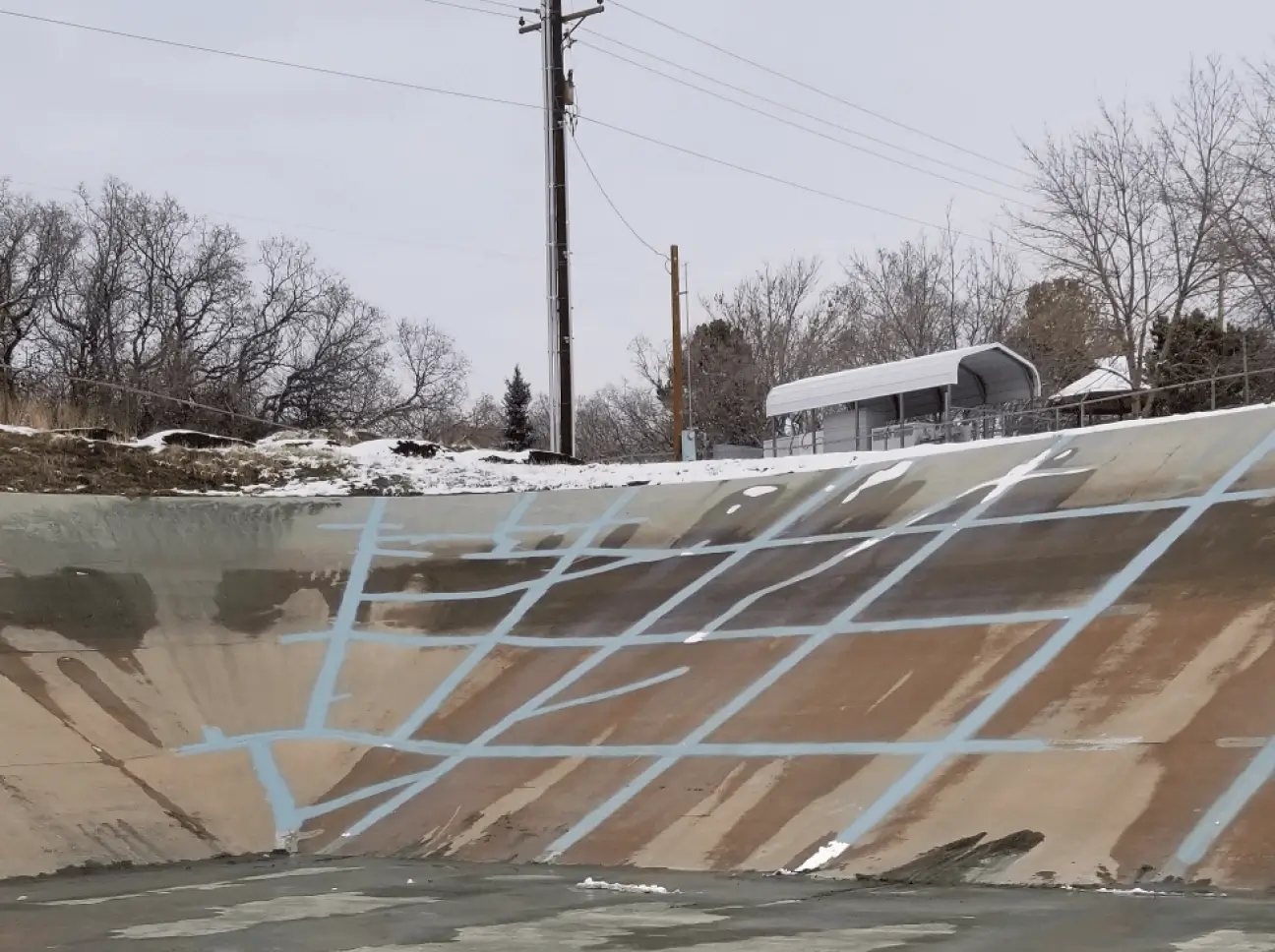
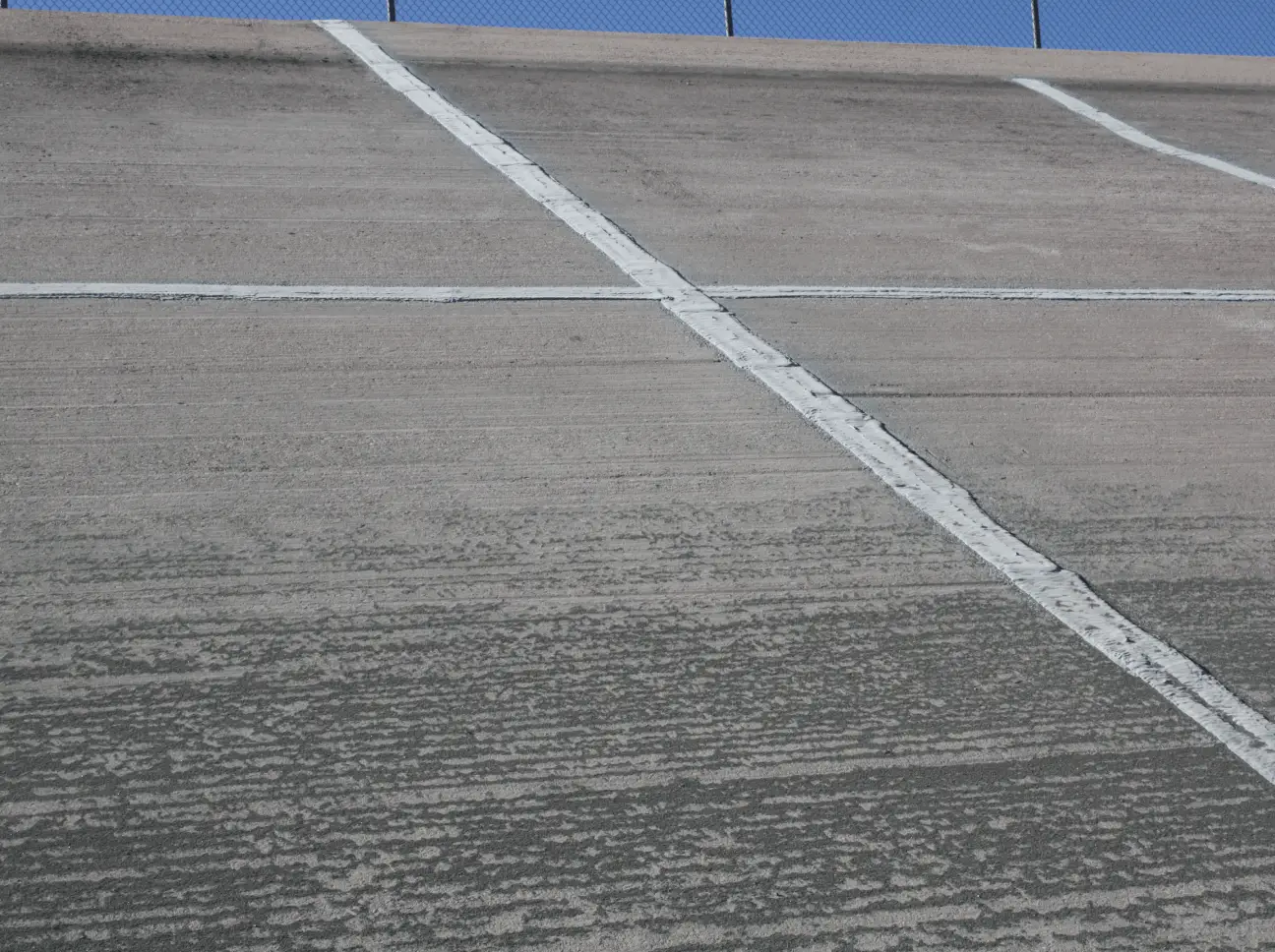
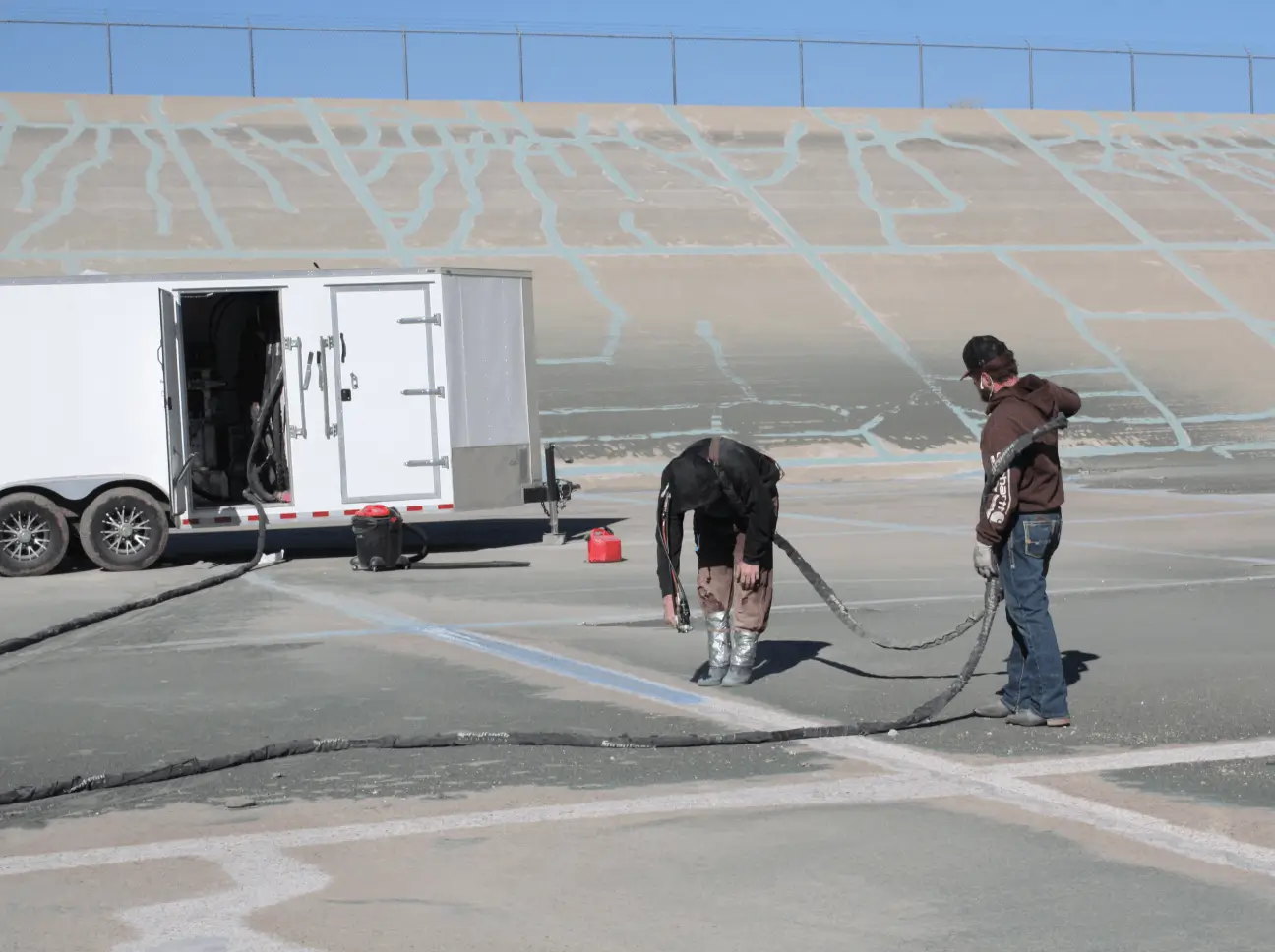
For years, the Kaysville East Reservoir suffered from significant water loss through its expansion joints. The Davis and Weber Counties Canal Company had attempted multiple traditional fixes, including cleaning out joints and replacing entire sections with new concrete, but the leaks persisted. The underdrain flows had reached a critical level of 7 inches over the measuring weir, signaling a desperate need for a solution that could succeed where traditional concrete work had failed.
The Solution
The Final Barrier Against Systemic Leakage
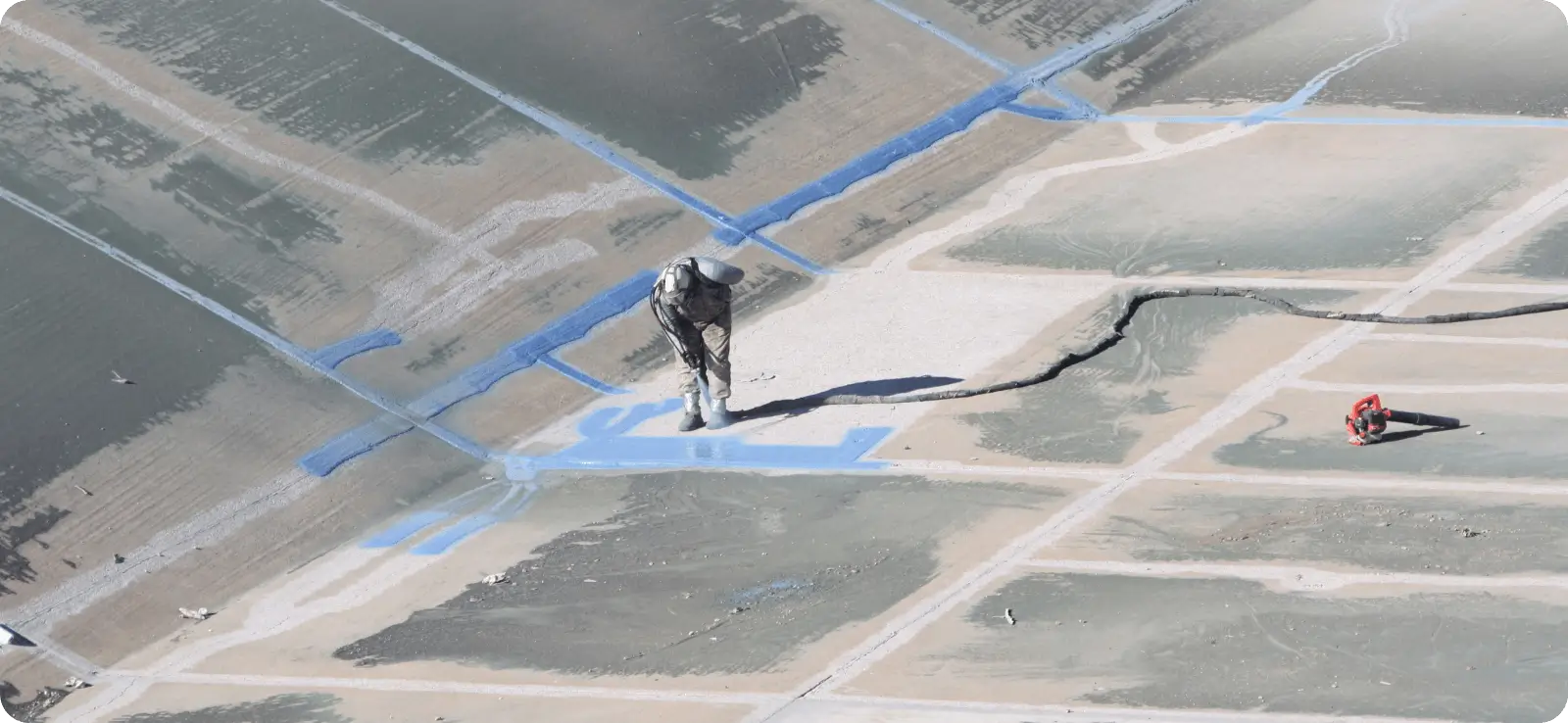
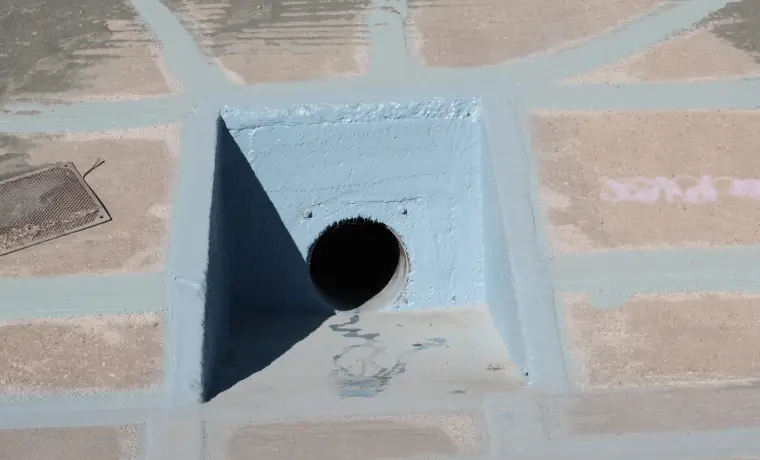
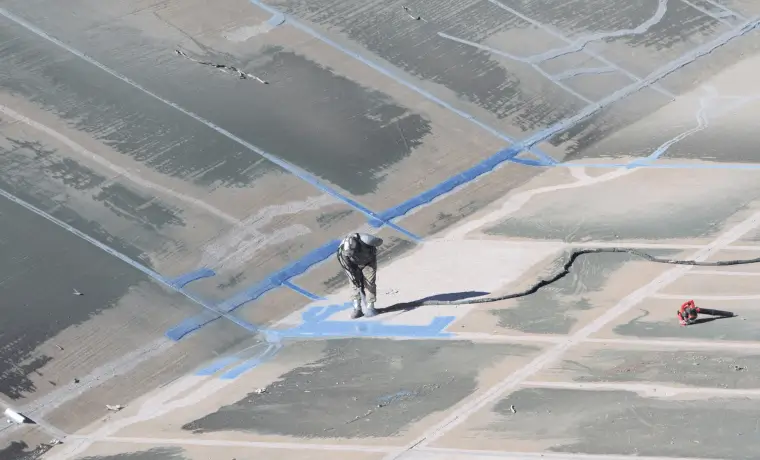
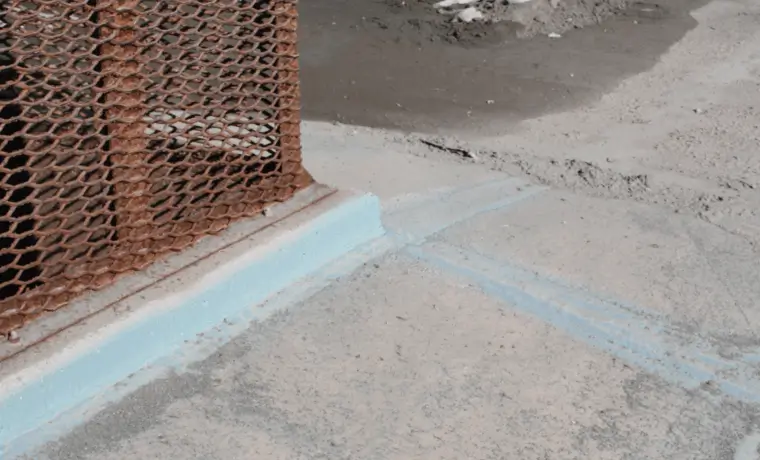
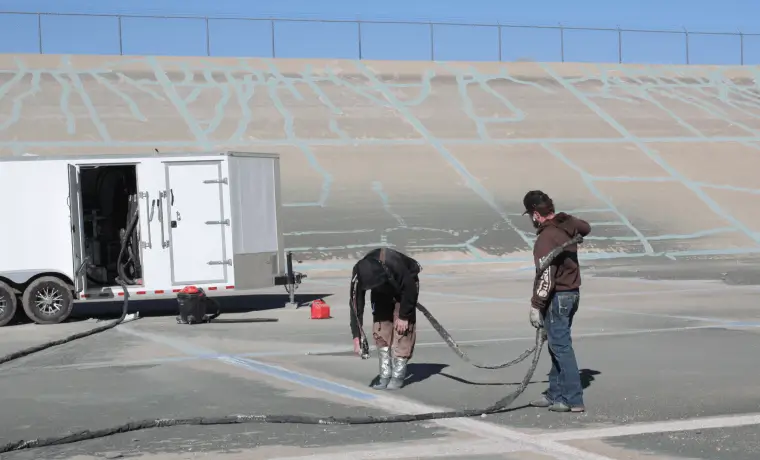
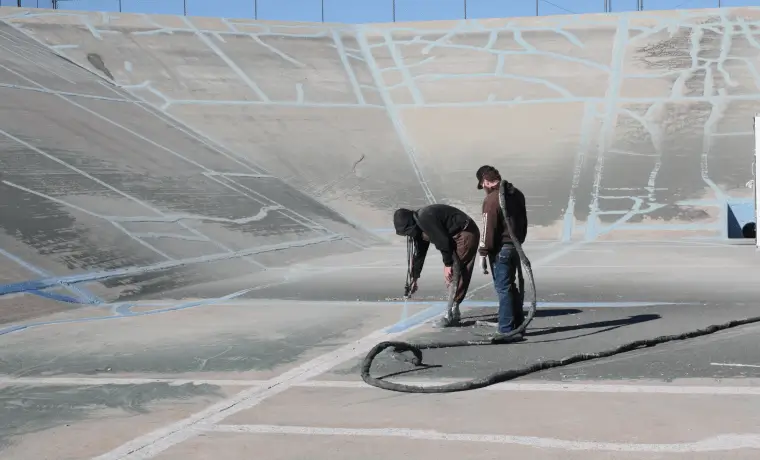
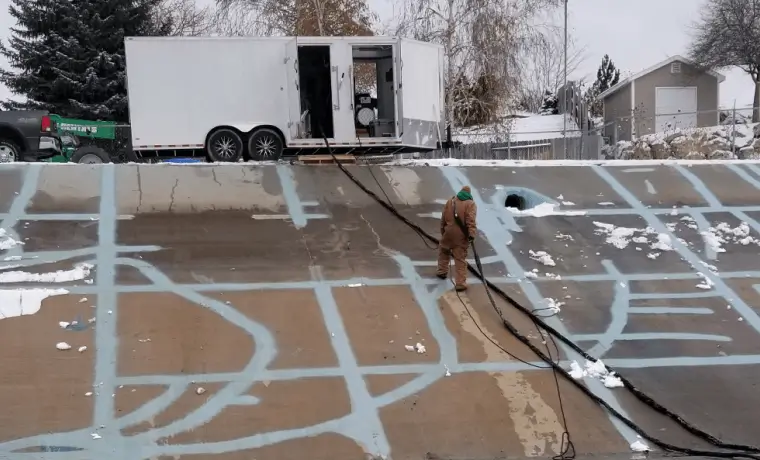
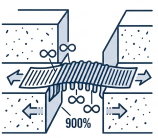
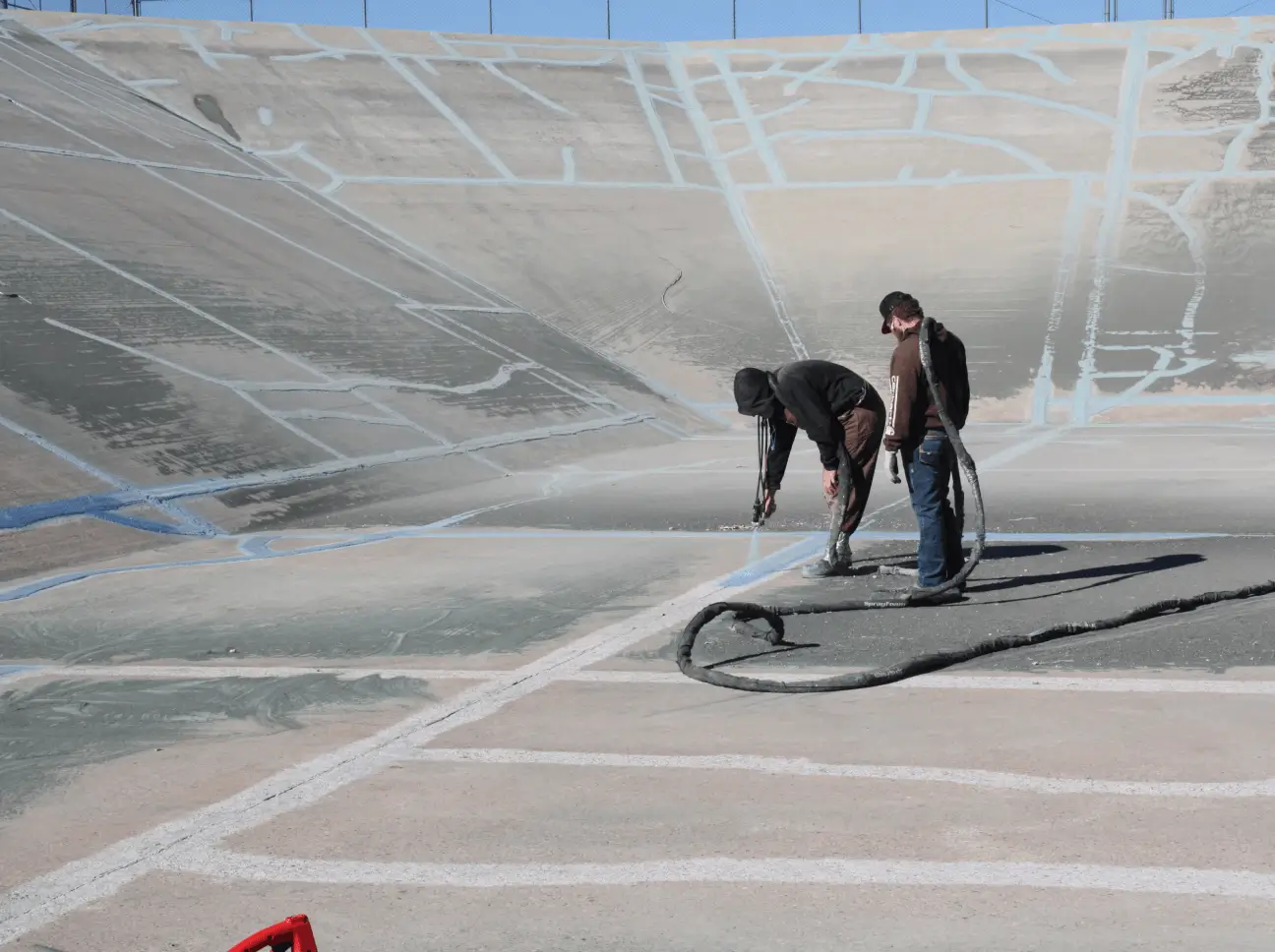
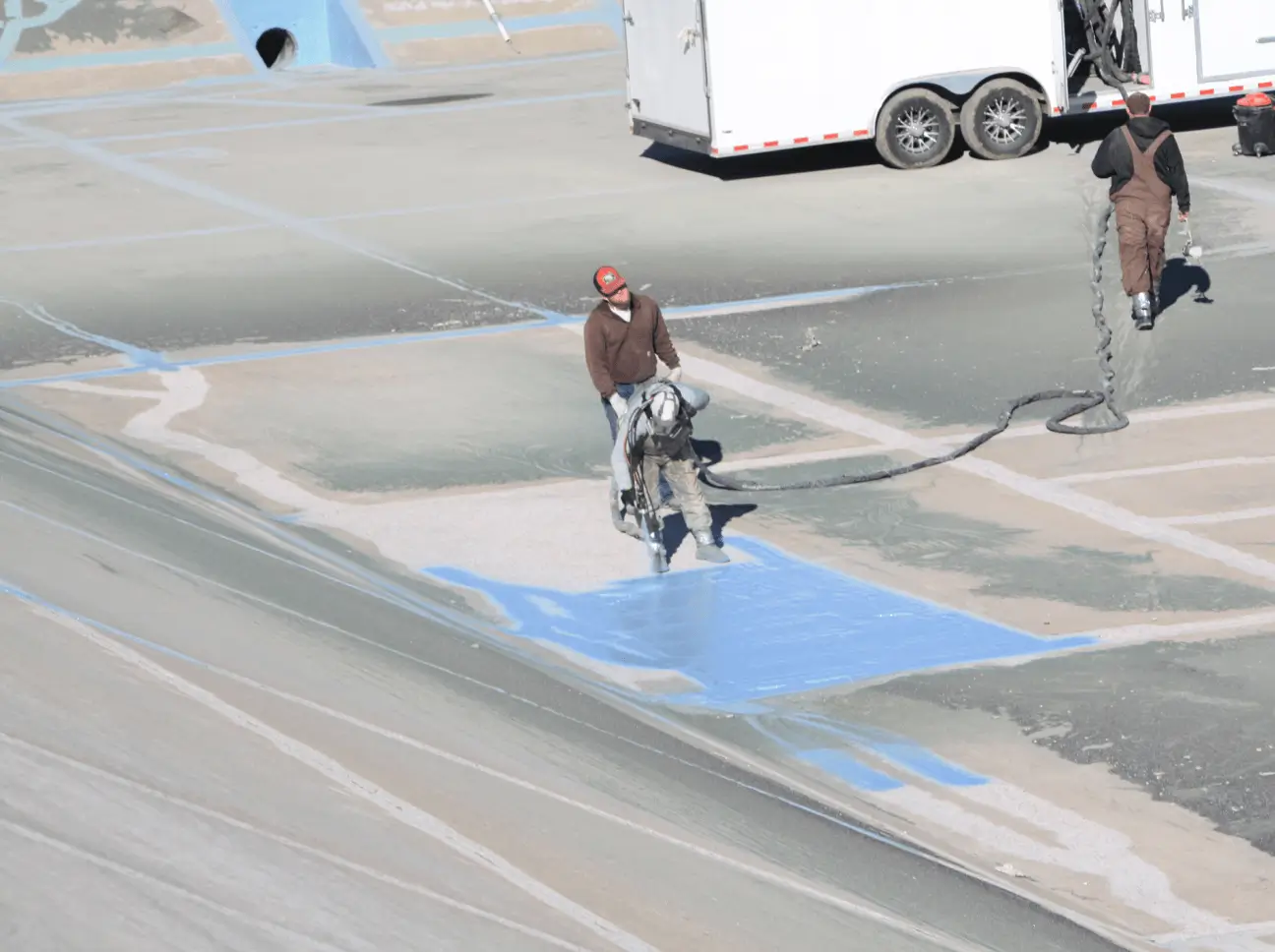
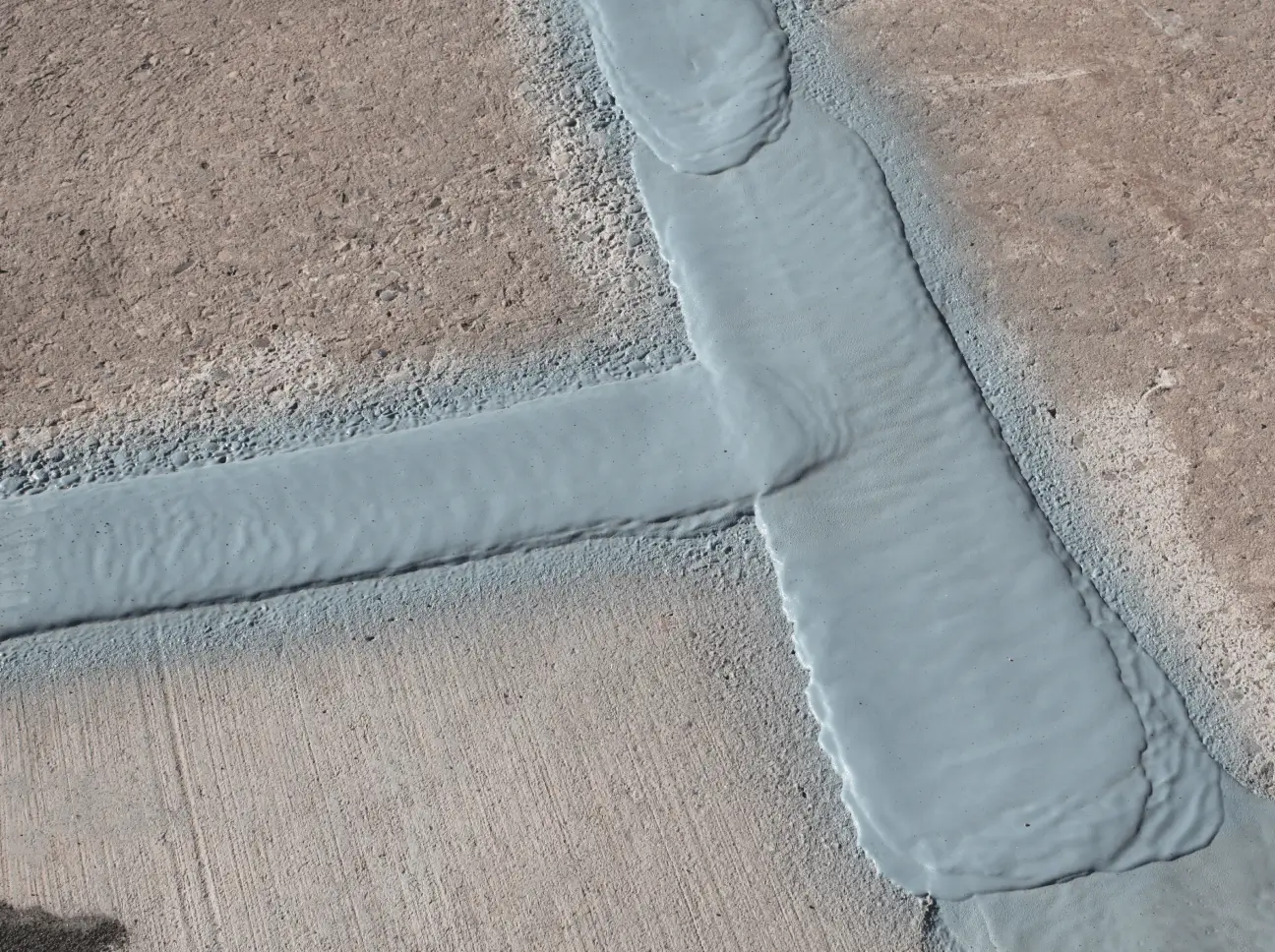
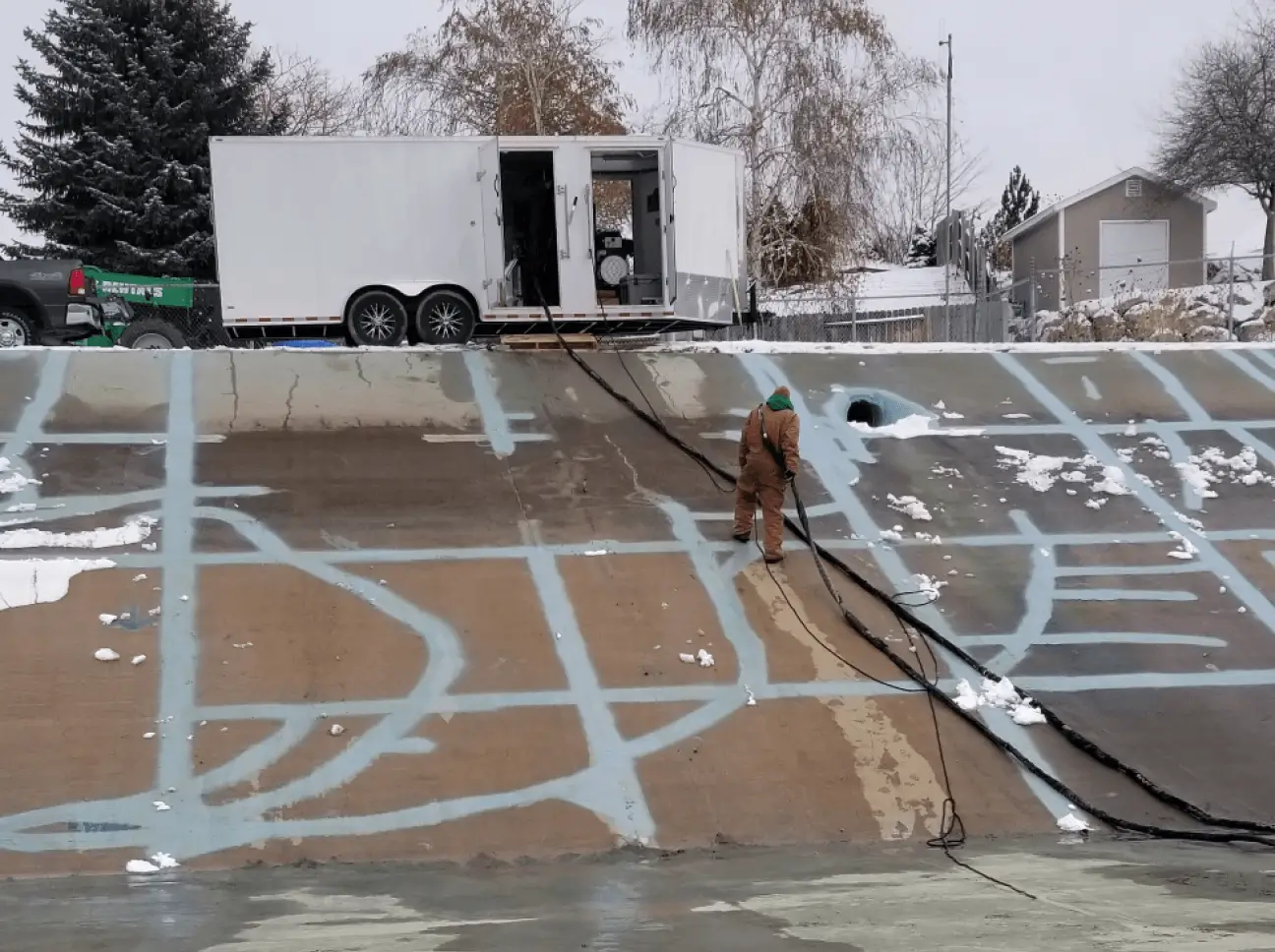
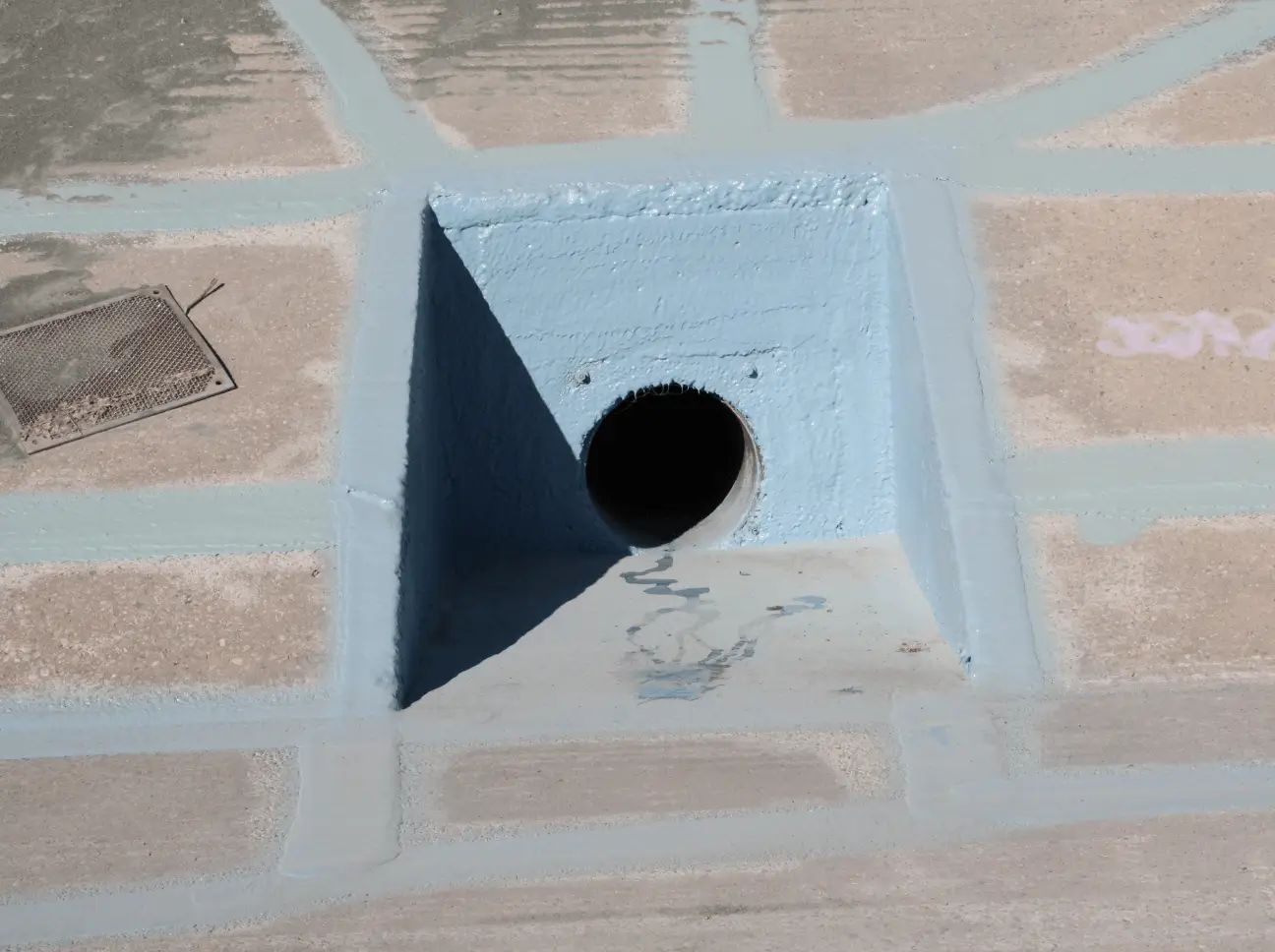
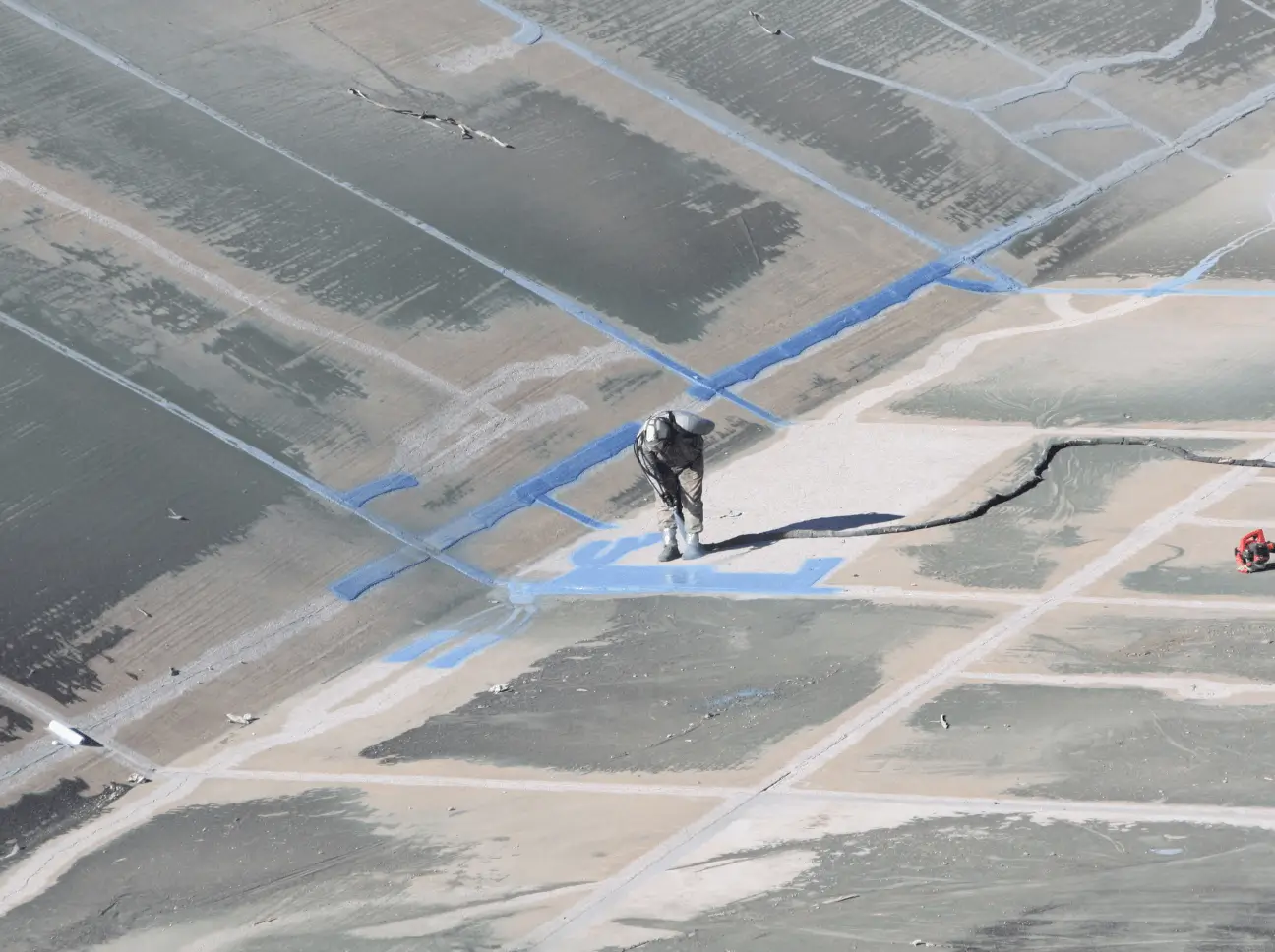
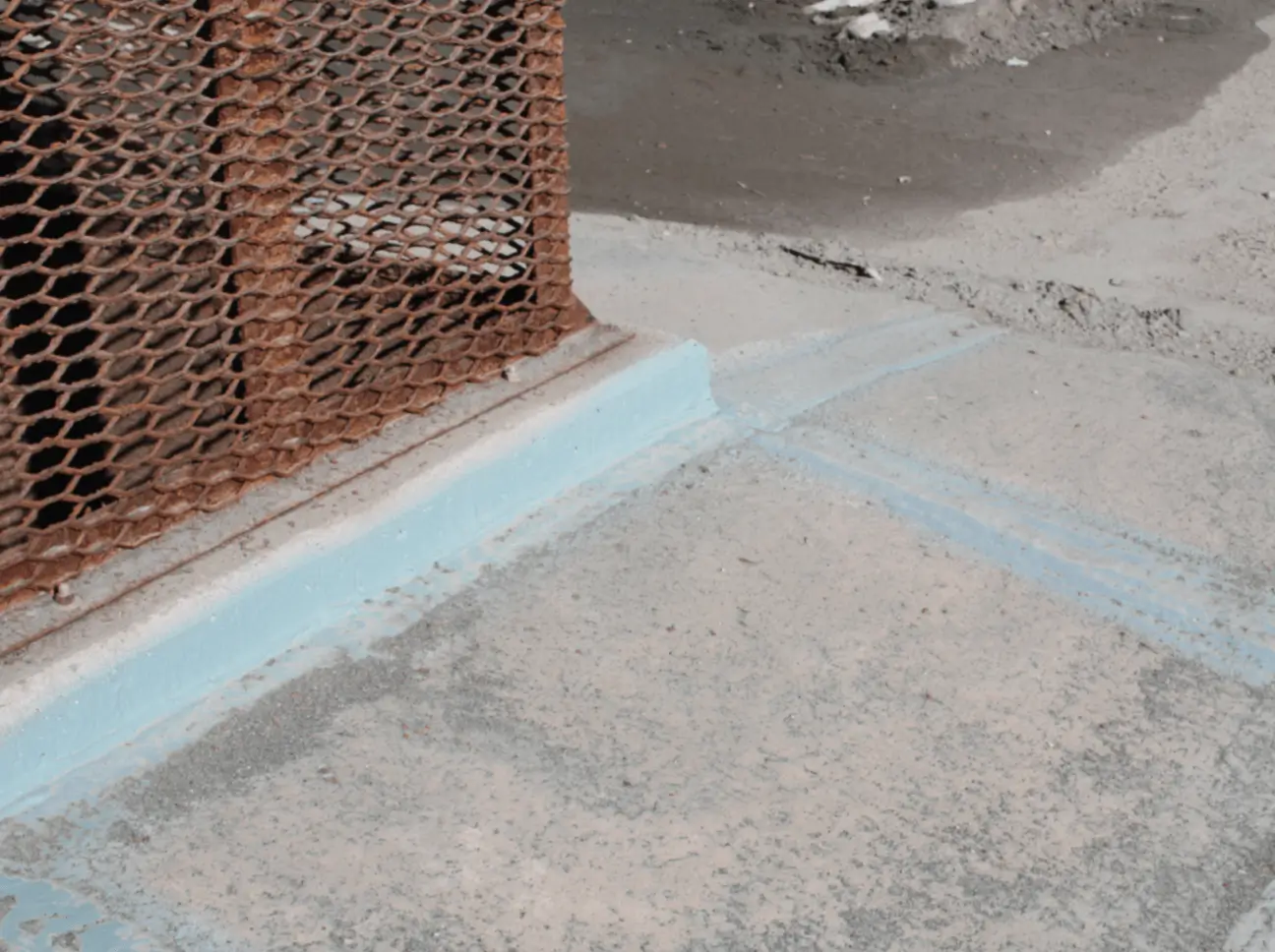
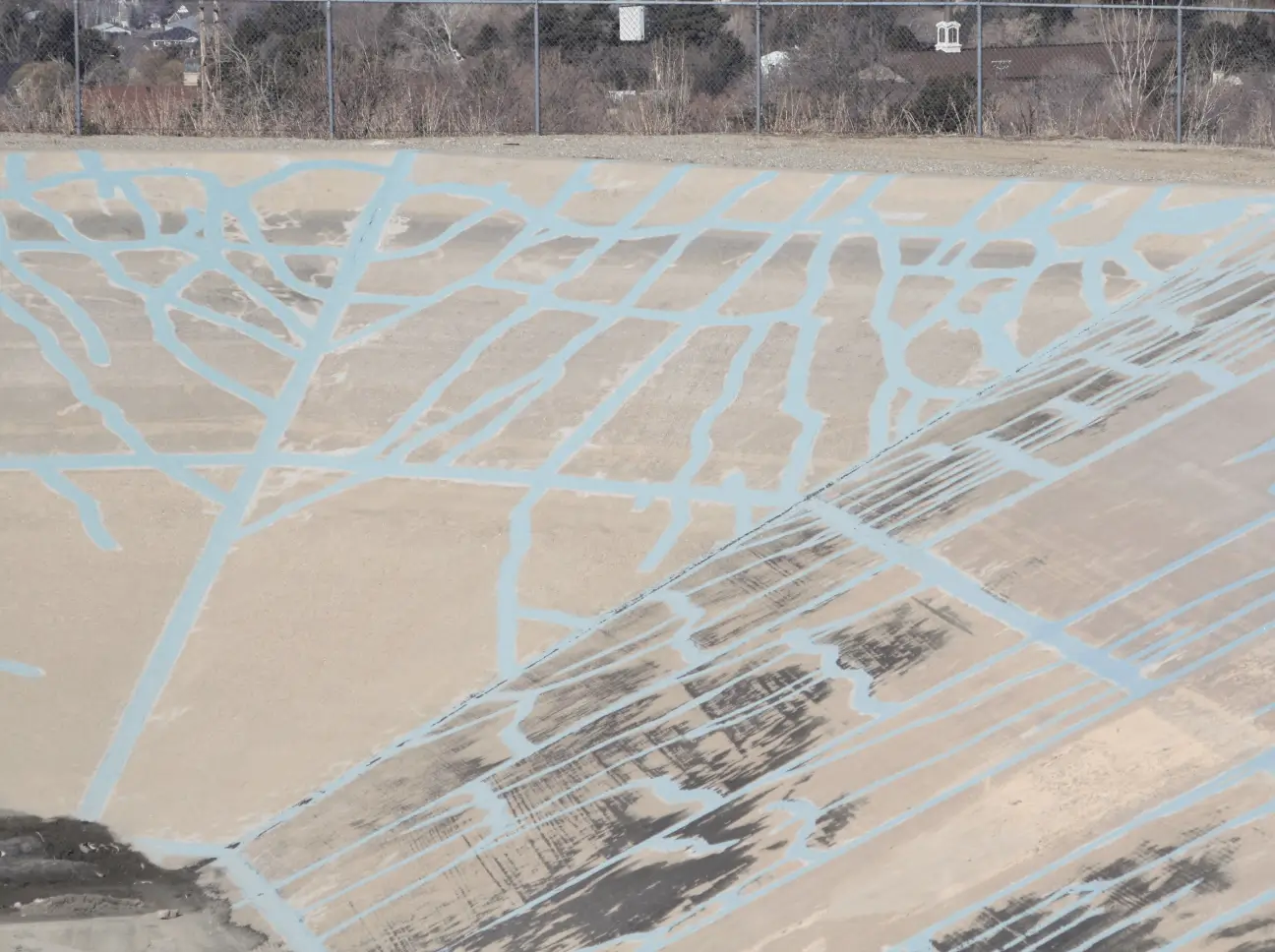
As a final attempt to save the existing concrete liner from a total and costly replacement, the district selected AquaLastic® to address the joint failures. The solution focused on the "Flexible Bridge" effect, allowing the joints to remain watertight even as the reservoir's massive concrete slabs shifted under hydrostatic pressure. This approach provided a permanent seal that integrated with the substrate, effectively cutting off the paths where water had been escaping for years.
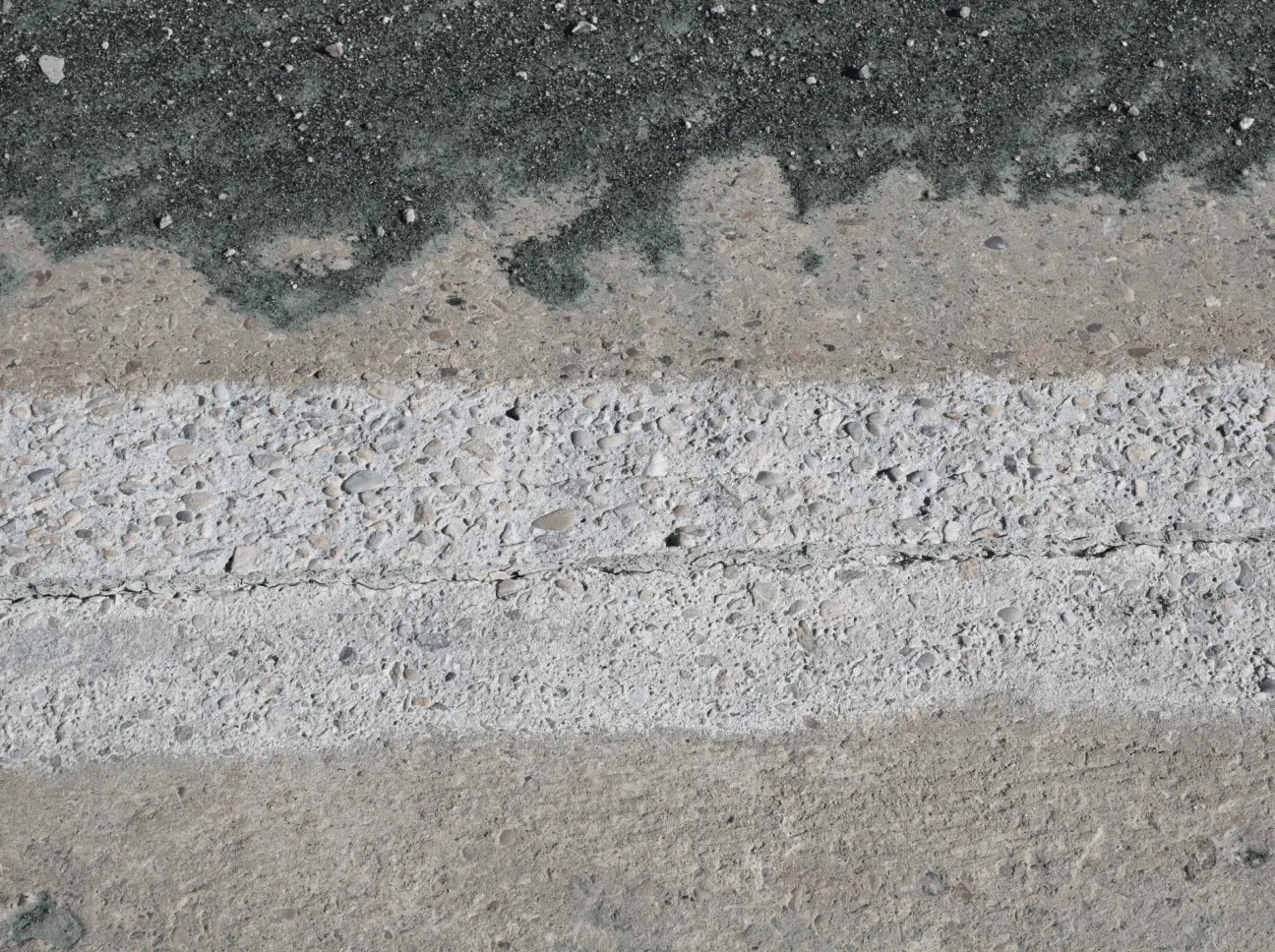
Technical teams analyzed the specific flow patterns of the reservoir's underdrain system to identify the primary failure points. The joints were prepared to ensure that the thermal-fused barrier would create a mechanical lock with the concrete walls and floor.
High-Elongation Joint Bridging
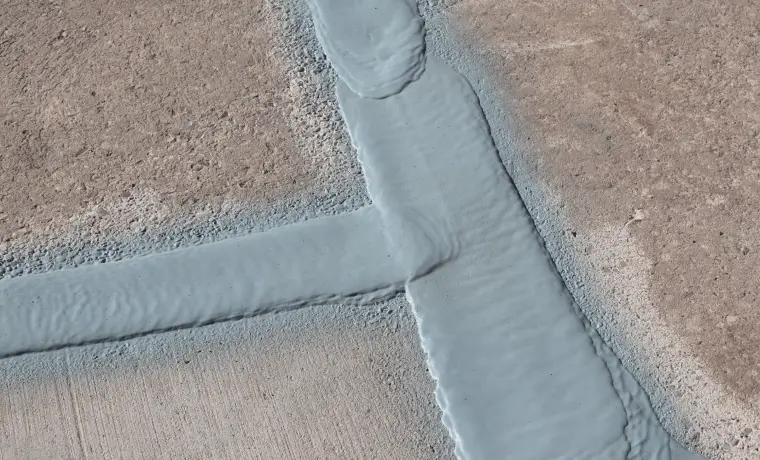
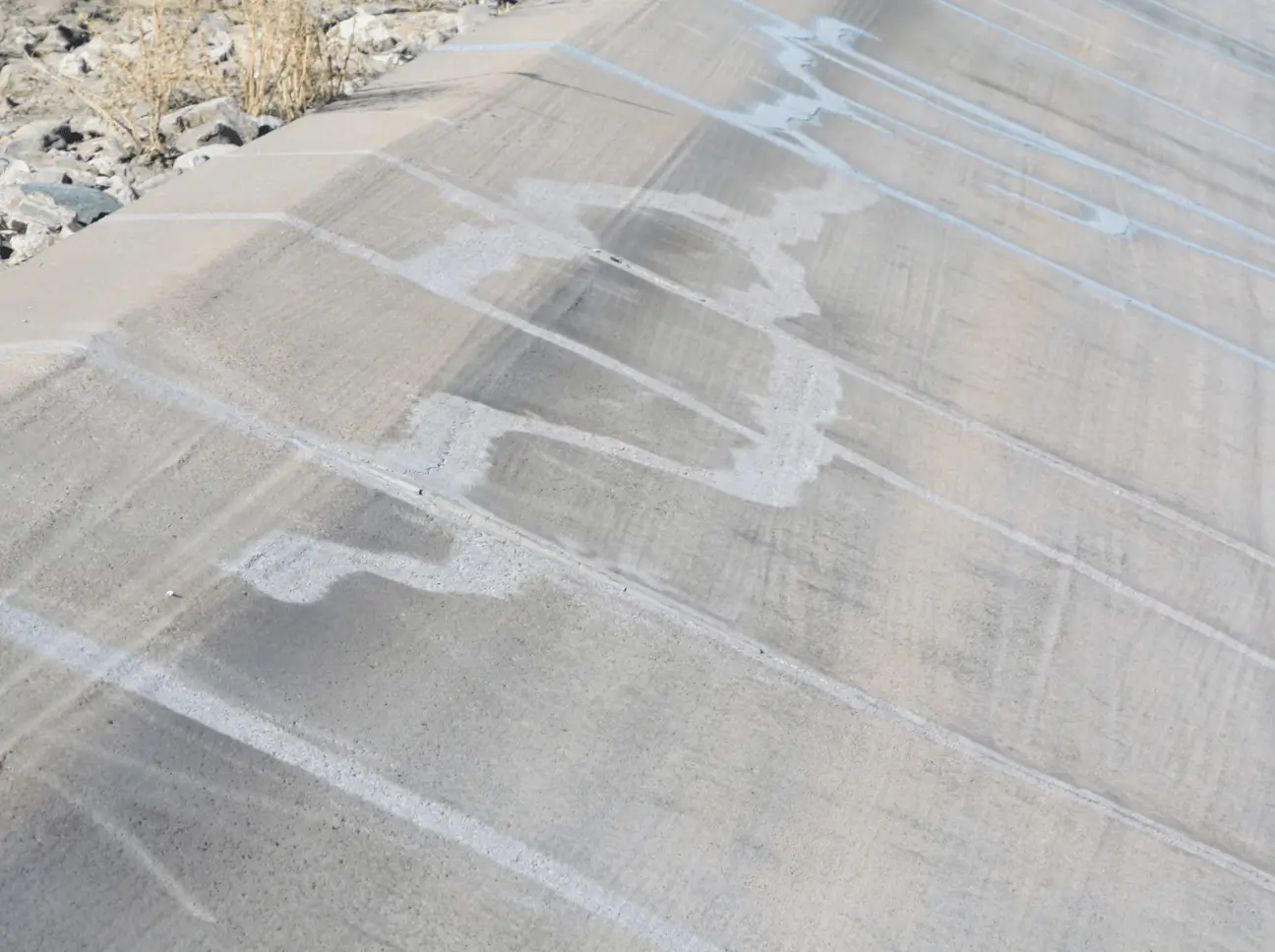
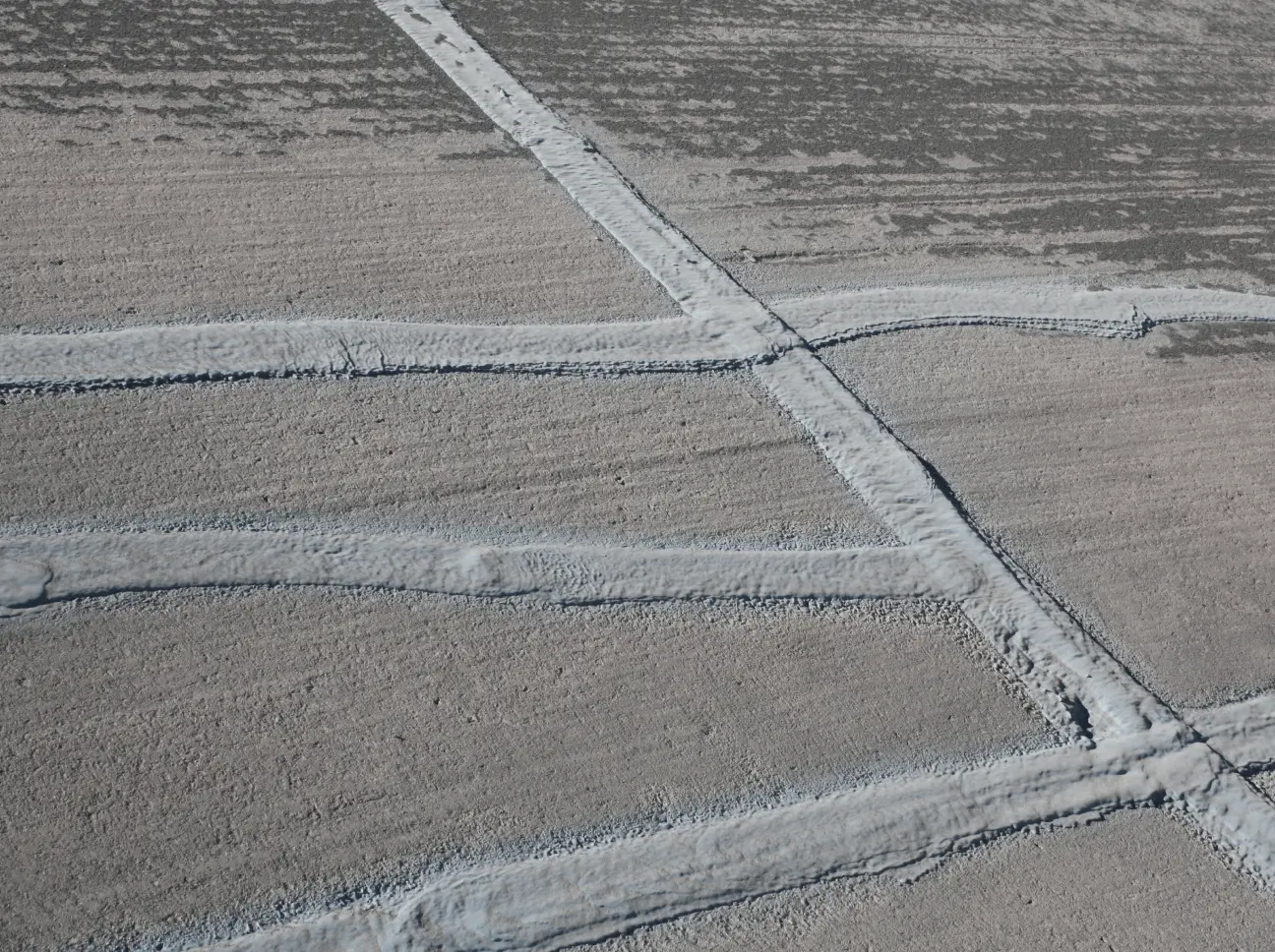
AquaLastic® was used to bridge the failing joints. By utilizing a material with 900% elongation, the new seal accommodates the natural expansion and contraction of the reservoir without cracking, maintaining a monolithic shield under constant water pressure.
Documented Flow Recovery
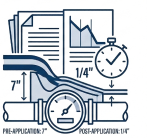
The success of the restoration was immediately measurable. Post-application data showed that underdrain flows dropped from 7 inches down to just 1/4 inch over the measuring weir. This massive reduction in water loss saved the district from the multi-million dollar expense of a full reservoir replacement.
Davis & Weber Counties Canal Company
Richard D. Smith, P.E., General Manager
“Our secondary reservoir has been leaking through the joints for years. In the past, we’ve tried to clean the joints out and seal them as best we could, even replacing sections with new concrete.
Aqualastic was our last attempt to seal the reservoir without completely replacing the concrete liner.
Aqualastic worked by cleaning and sealing the joints. Our measured underdrain flows have gone from 7 inches down to ¼ inch of flow over a measuring weir.”