Carlsbad Irrigation District (New Mexico)
Project Date: 2018 – 2019
Canal Seepage Mitigation & Agricultural Land Protection
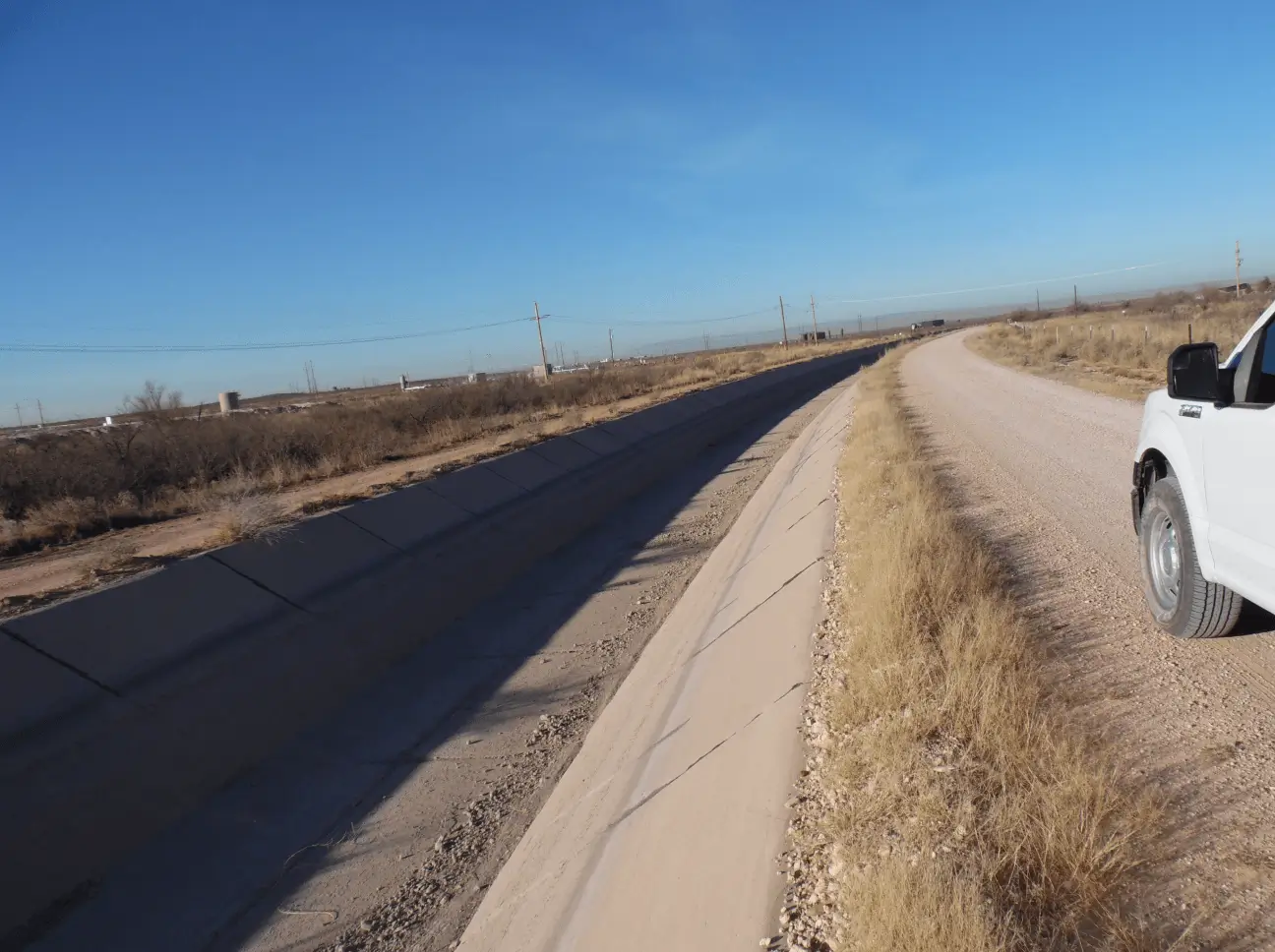
A targeted restoration of concrete-lined canals to eliminate lateral seepage that was impacting adjacent crops and threatening the district’s relationship with local growers.
Project Scope
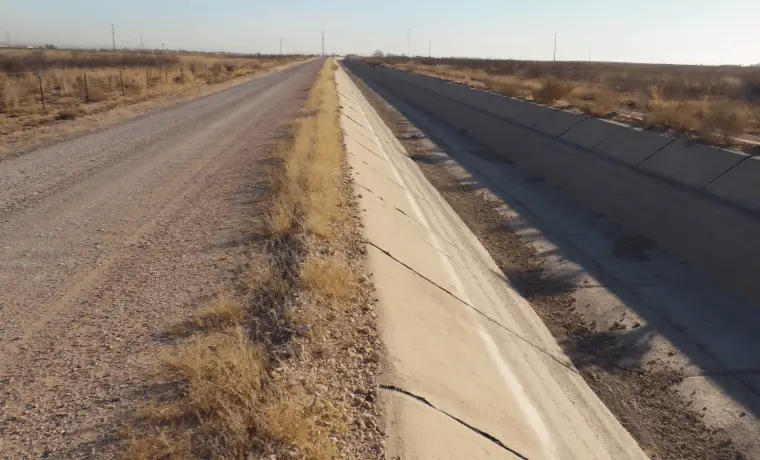
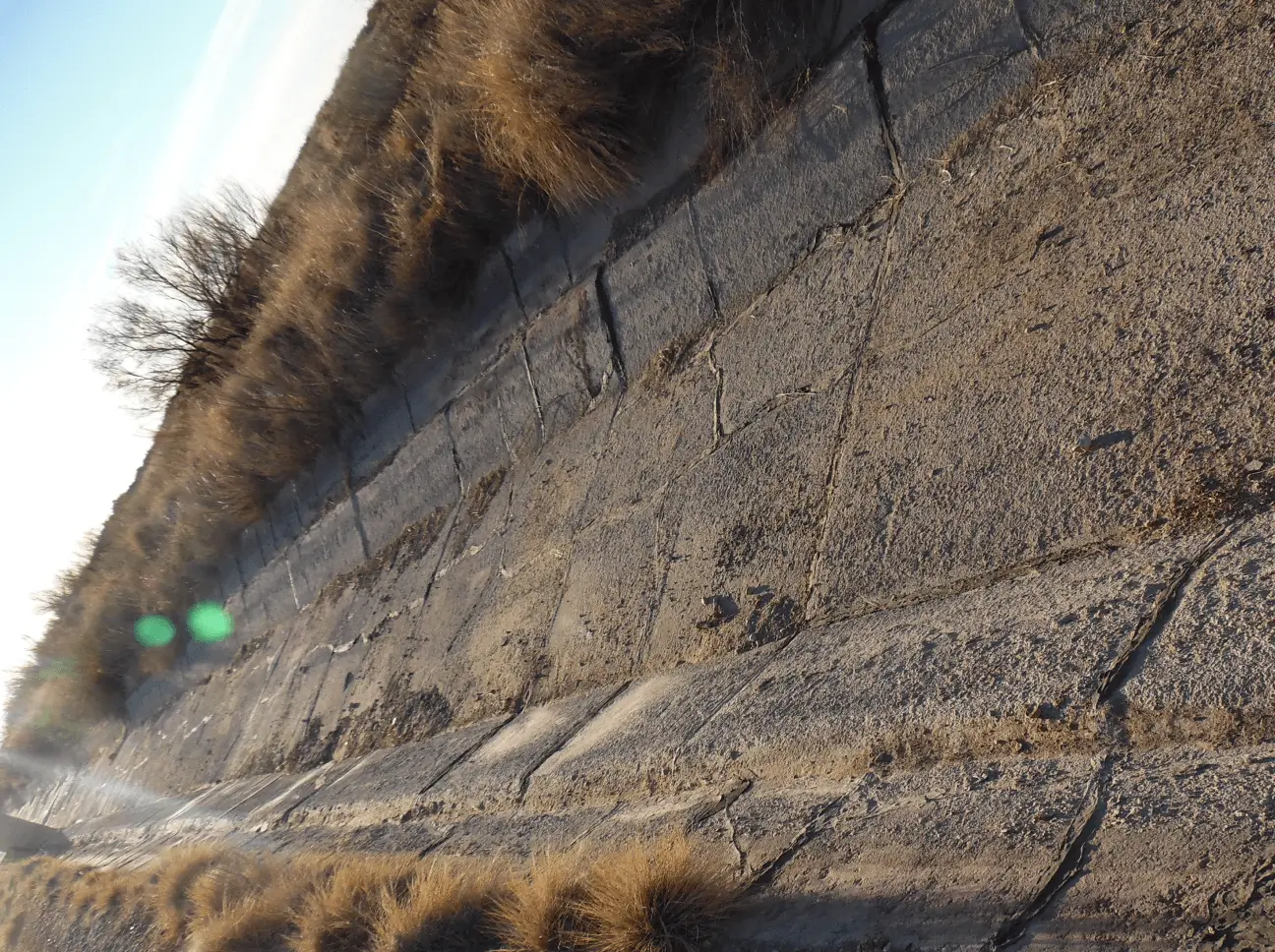
Concrete-Lined Canal Restoration
Primary Issue
Lateral Seepage & Crop Damage
System Used
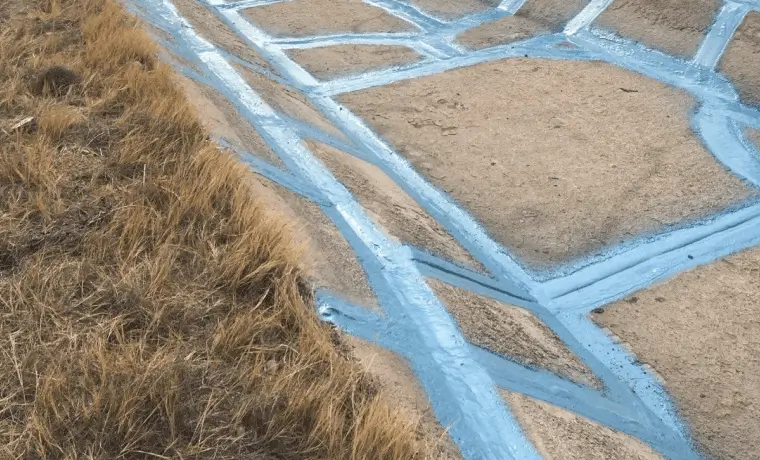
High-Flex AquaLastic® Barrier
Environmental Factor
Dynamic Soil Movement & Extreme Arid Conditions
Result
Immediate Seepage Relief & Successful Grant Funding
The Challenge
Protecting Agricultural Assets from Infrastructure Failure
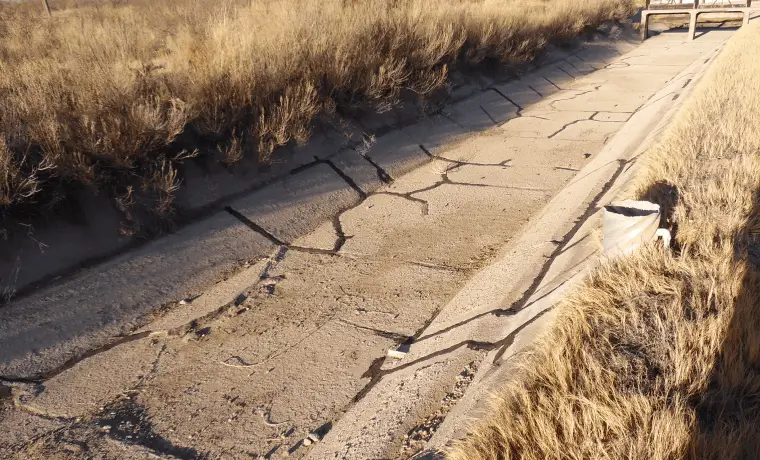
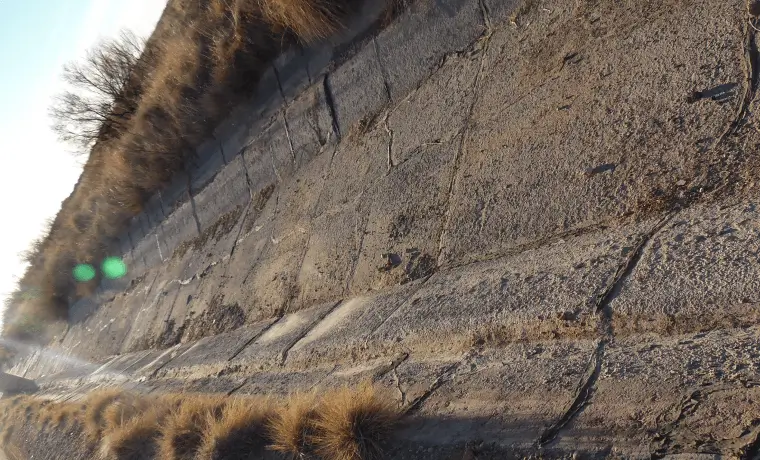
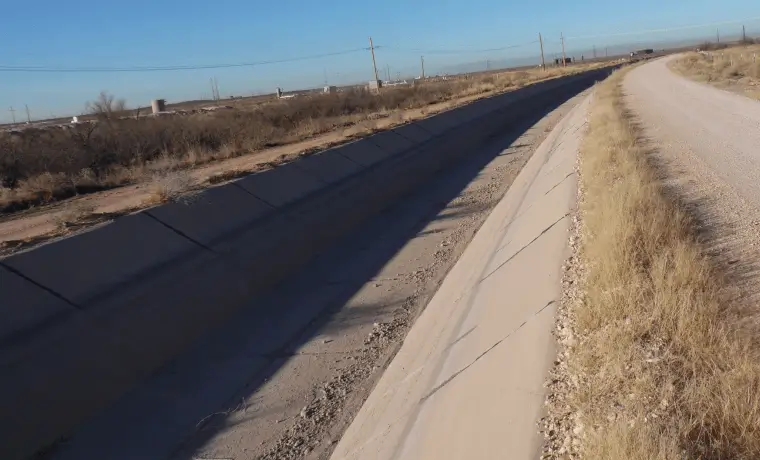
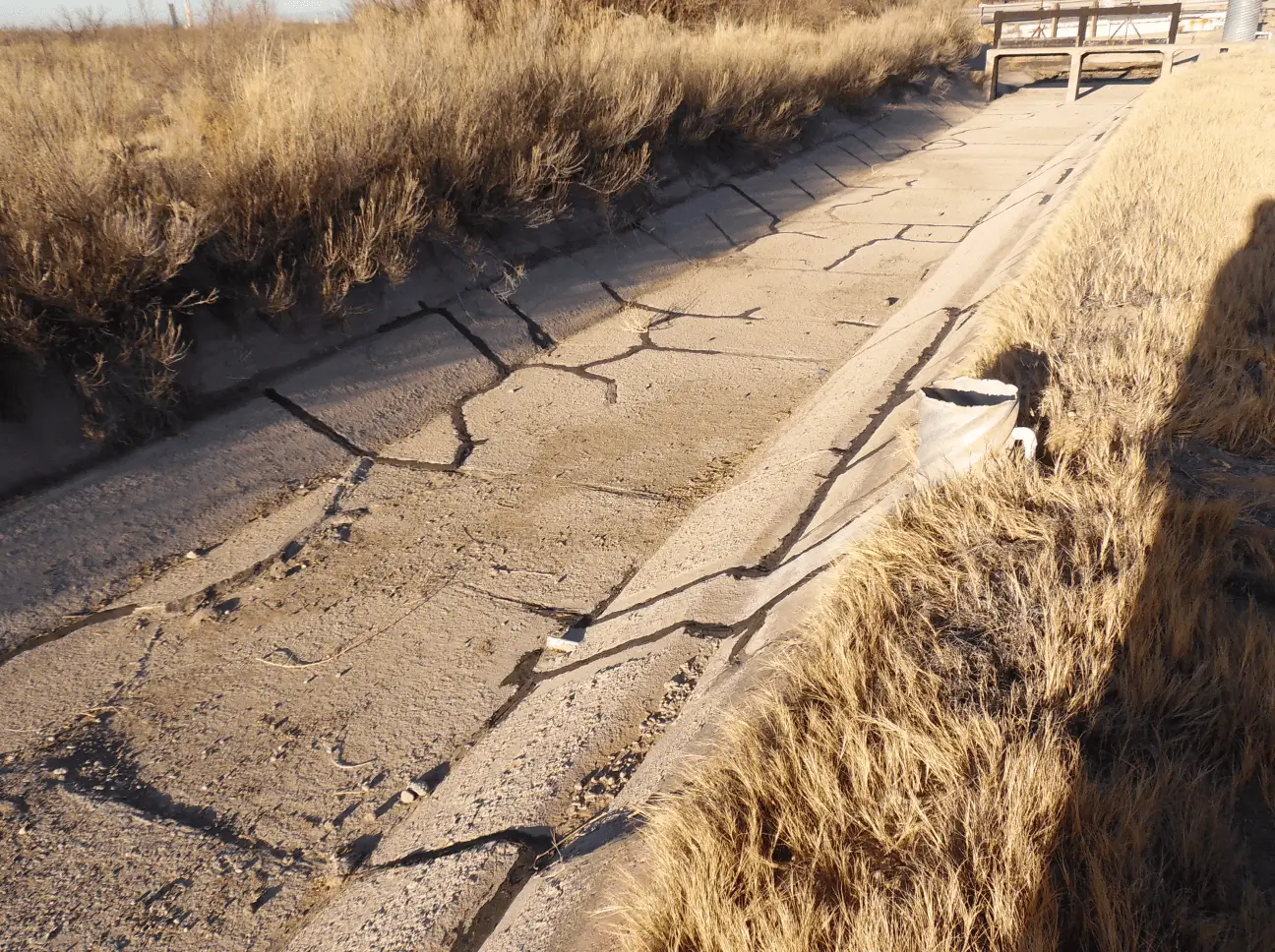
The Carlsbad Irrigation District faced a critical operational challenge when one of their primary lined canals began leaking into adjacent grower fields. This seepage was causing significant damage to crops and creating a liability for the district. Multiple attempts to resolve the issue, including pouring a new concrete lining inside the existing one, had failed to stop the water migration. The district needed a permanent, watertight solution that could succeed where traditional concrete replacement could not.
The Solution
A Comprehensive Seal for Proven Performance
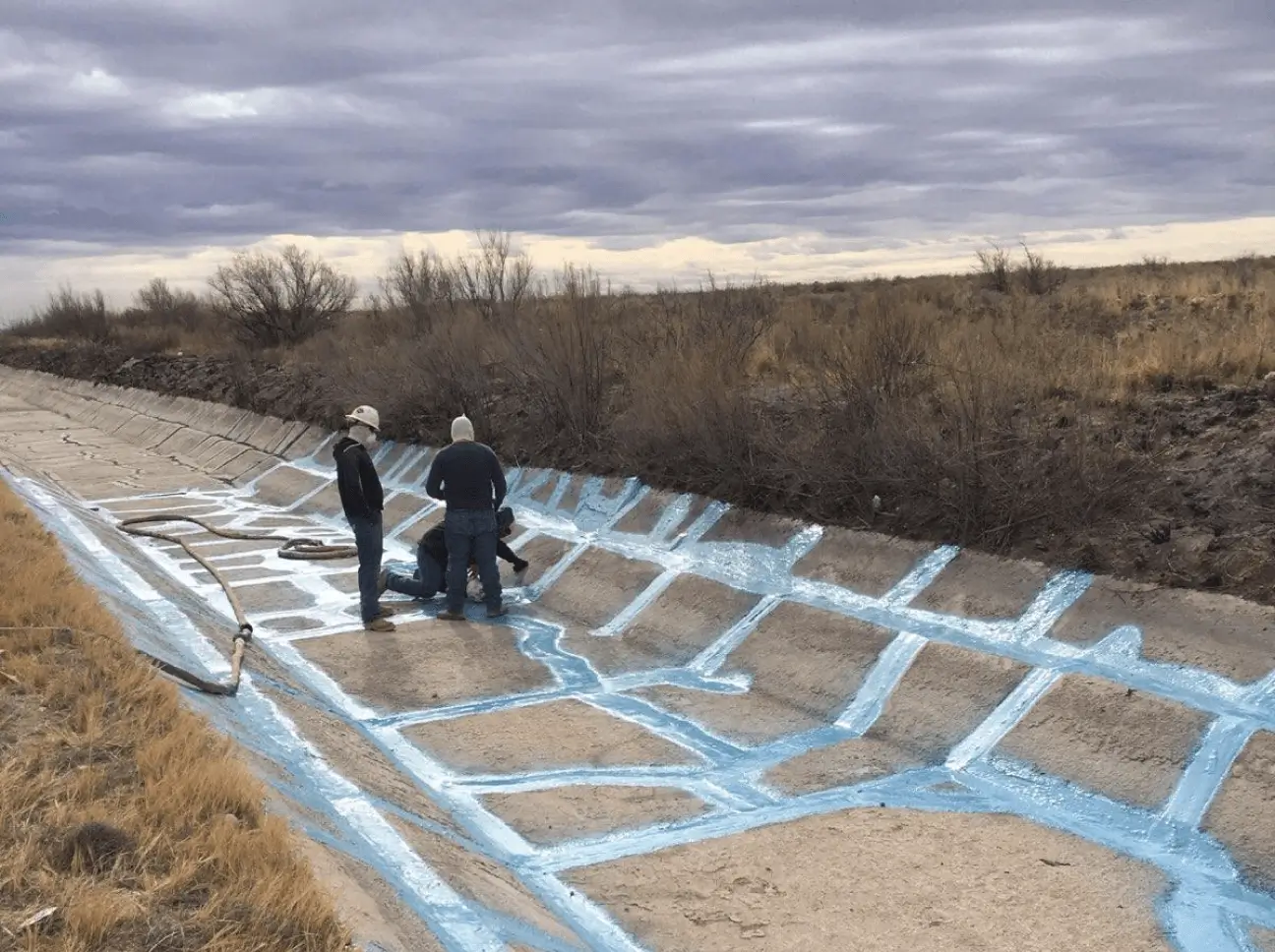
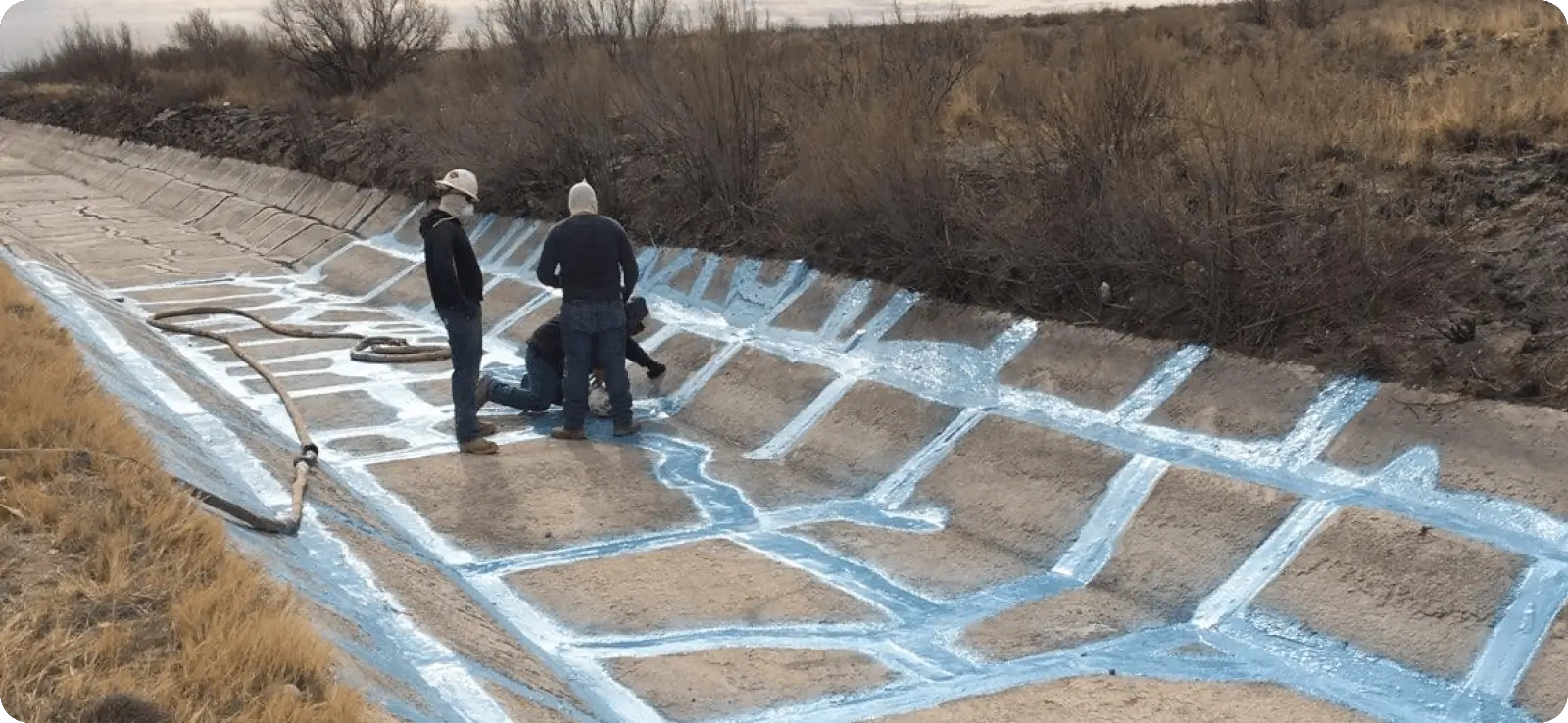
After evaluating the failure of previous rigid repairs, the district transitioned to AquaLastic® for its ability to create a monolithic, flexible barrier. The project was completed in two phases, with the district utilizing a successful grant application to fund the final stage. The application created a high-elongation shield that effectively locked the water within the canal, providing substantial and immediate relief to the impacted farmland and securing the integrity of the delivery system.
Key Technical Steps
Lateral Migration Analysis
Technical assessments were conducted to identify exactly where water was bypassing the concrete lining and entering the adjacent soil. This allowed for a targeted application that addressed the root cause of the crop damage.
Flexible Active Joint Shielding
Because the soil in this region is prone to movement, a high-modulus application was used to bridge the failing concrete joints. This ensures that even as the canal structure shifts, the liner remains fused and watertight, preventing a recurrence of the lateral seepage.
Grant-Supported Validation
Success in the initial phase provided the data needed to secure grant funding for the 2019 completion. Post-application inspections confirmed that seepage was eliminated, restoring operational efficiency and protecting local agricultural production.